 GeoXSite
Utility Locating in Burnaby
Concrete Scanning Services for Safe Construction Projects
GeoXsite GPR Solutions 3845 Winlake Crescent, V5A 2G6 Burnaby, BC
The company is fully insured and carries Commercial General Liability (CGL) Policy coverage.
Main Service
Utility Locating Services in Burnaby
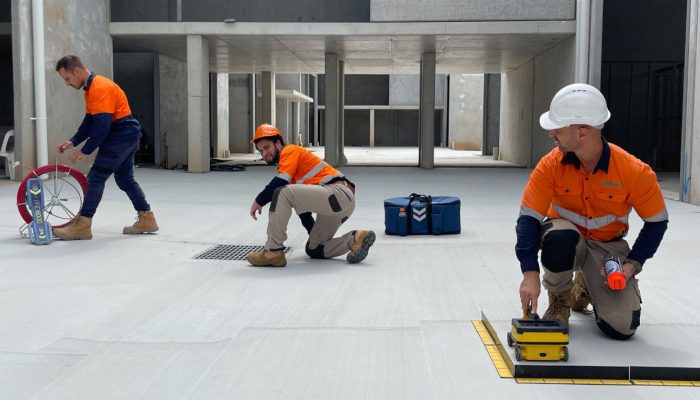
Our professional utility locating services are designed to accurately identify and map underground utilities before any excavation, drilling, or construction activity begins. Using advanced electromagnetic locating equipment and ground penetrating radar (GPR) technology, we detect both metallic and non-metallic utility lines with a high level of accuracy.
We locate underground electrical conduits, gas pipelines, water mains, sewer systems, fiber optic cables, and telecommunications infrastructure. This proactive approach helps contractors, engineers, and property owners prevent accidental strikes that can result in serious safety hazards, costly repairs, and project delays.
Our utility locating process follows strict industry standards and safety protocols, providing clear on-site markings and detailed documentation to support informed decision-making. Whether for commercial developments, municipal infrastructure, industrial facilities, or residential projects, our services ensure safer excavation and efficient project execution.
Additional Professional Services
-
Concrete GPR Scanning
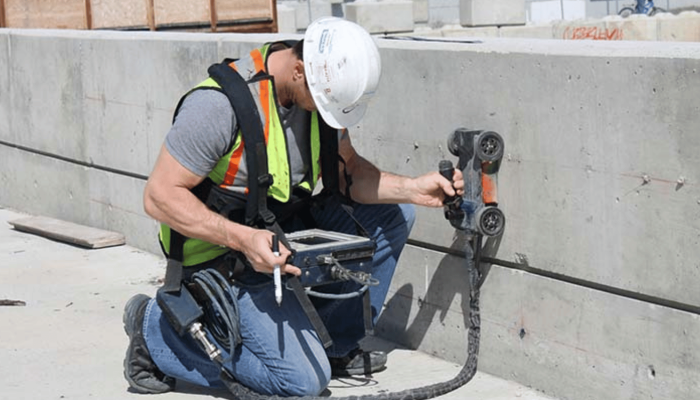
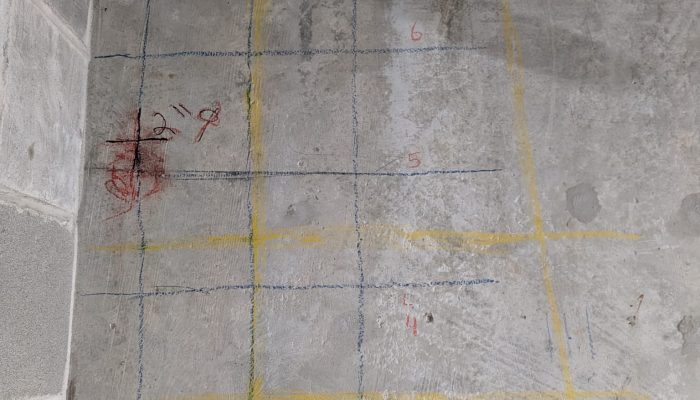
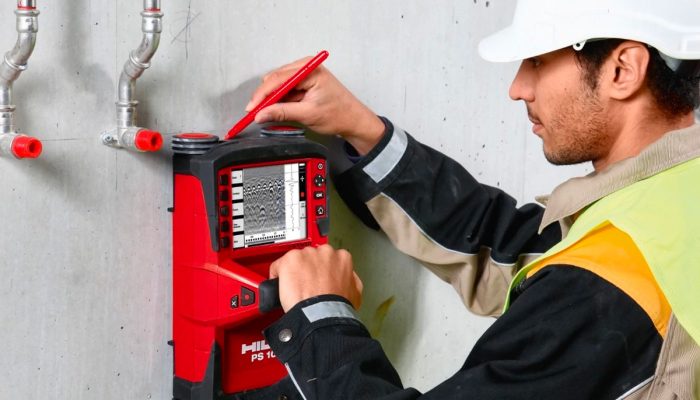
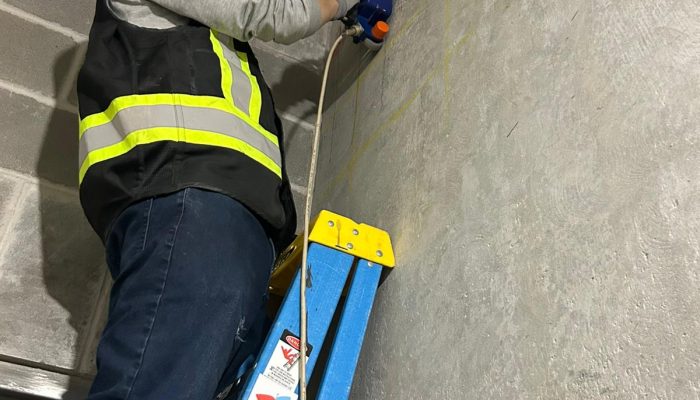
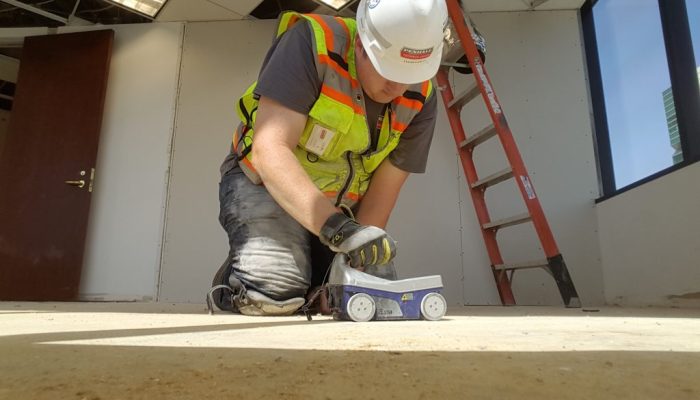
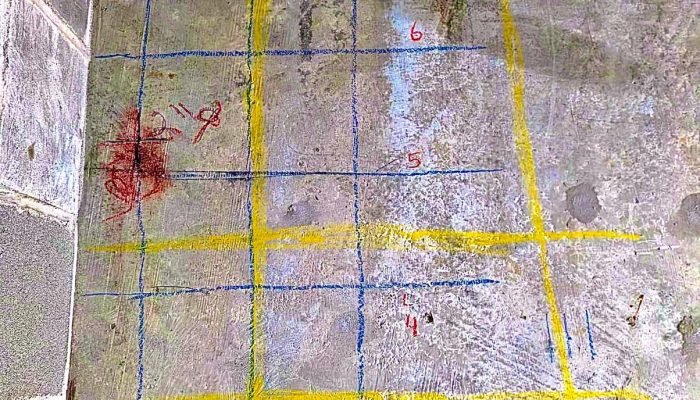
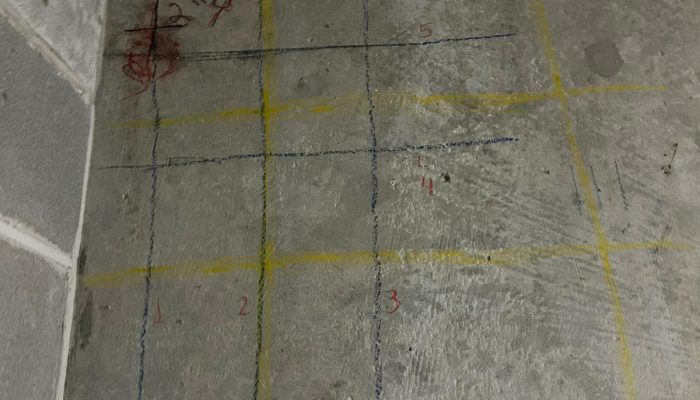
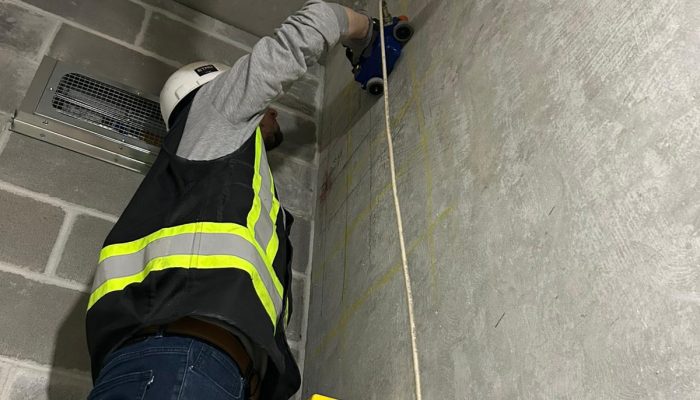
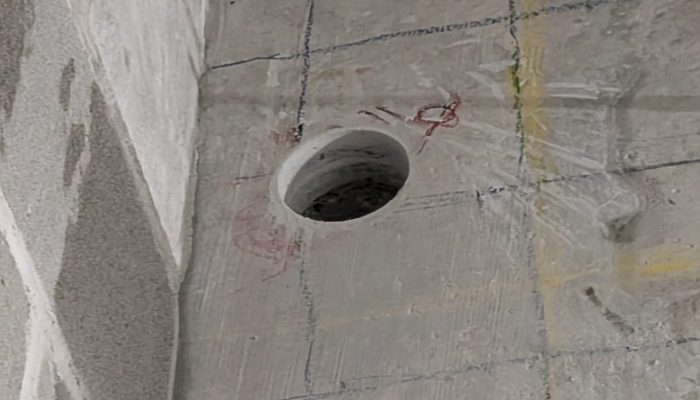
Detect rebar, conduits, post-tension cables, and other embedded materials before drilling, cutting, or coring. Prevent costly mistakes and ensure safety.
-
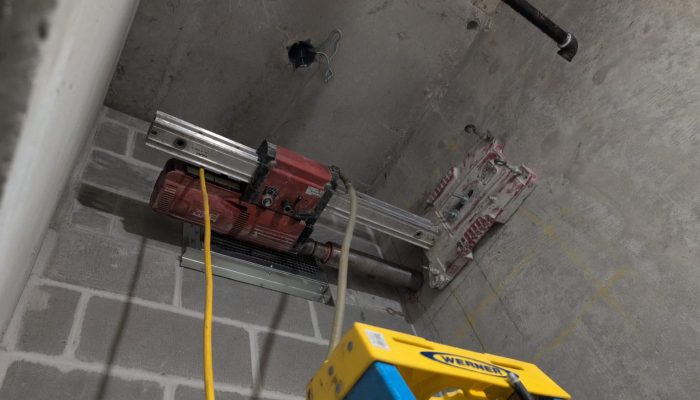
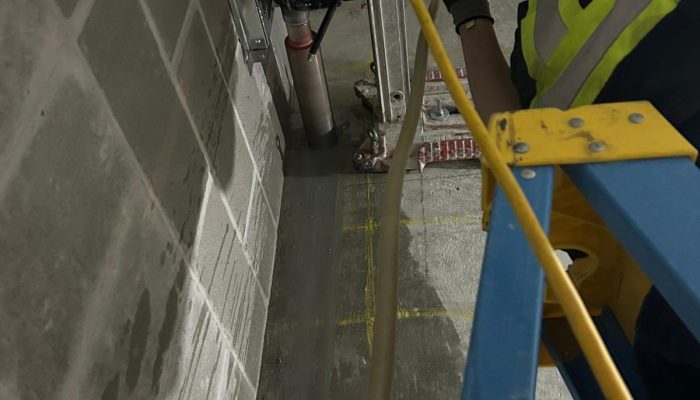
Concrete Coring
Non-destructive and precise coring services for commercial, industrial, and residential projects.
-
X-Ray Concrete Scanning
High-resolution imaging for critical structures, providing a detailed view of embedded elements.
-
Structural Analysis Reports
Comprehensive reports for engineers and project managers, documenting detected materials and ensuring compliance.
Utility Locating Using Advanced Concrete Scanning Technology
Utility Locating relies heavily on high-resolution Concrete Scanning systems, especially Ground Penetrating Radar. This technology makes it possible to detect both metallic and non-metallic objects embedded in concrete or hidden underground. Unlike traditional methods, Concrete Scanning does not require drilling or invasive procedures, making it ideal for active job sites.
By combining Utility Locating with Concrete Scanning, professionals can identify electrical conduits, water lines, communication cables, gas lines, and other utilities before any physical work begins. This approach significantly reduces uncertainty and ensures compliance with safety standards across Canada.

GeoXSite
The company is fully insured and carries Commercial General Liability (CGL) Policy coverage.
Why Utility Locating Is Essential for Concrete Structures in Burnaby
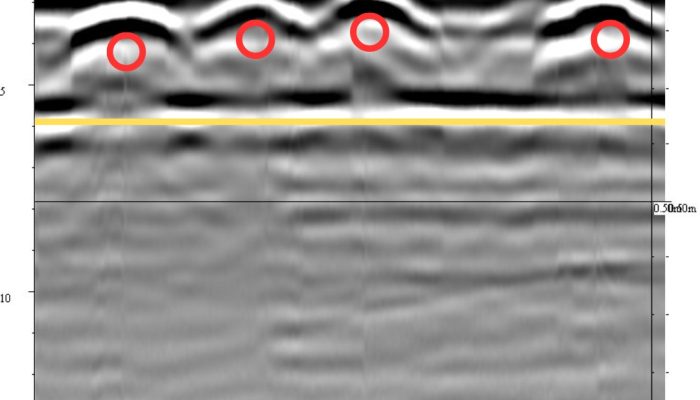
Concrete structures often conceal critical utilities that are not visible from the surface. Utility Locating allows teams to understand the internal layout of slabs, walls, columns, and foundations before modifications take place. Concrete Scanning plays a central role in this process by producing clear and reliable data.
Failing to perform proper Utility Locating can lead to unexpected utility strikes, which may result in project shutdowns, legal liability, and safety hazards. Concrete Scanning minimizes these risks by delivering accurate subsurface information that supports informed decision-making.
Benefits of Choosing Us
- Accuracy you can trust – Powered by cutting-edge GPR technology.
- Safety first – Reduce risks to your team and structure.
- Time & cost savings – Avoid delays, rework, and unnecessary repairs.
Local expertise – Serving with proven results.
GeoXSite
Contractors and engineers rely on our team because we:
- Provide fast, reliable service tailored to project deadlines.
Deliver clear reporting with easy-to-understand results.
Offer flexible scheduling and emergency response when needed.
- 👉 Whether it’s a commercial building, residential renovation, or large-scale infrastructure project—we’ve got you covered.
Utility Locating for Construction and Renovation Projects in Burnaby
In both new construction and renovation projects, Utility Locating is a fundamental requirement. Concrete Scanning ensures that structural elements remain intact while utilities are safely identified. This is especially important in commercial buildings, industrial facilities, and multi-unit residential developments where utility networks are complex.
Utility Locating supports a wide range of activities, including core drilling, saw cutting, anchor installation, and excavation. Concrete Scanning helps teams avoid damaging embedded utilities while maintaining project timelines and budgets.
Some of the most commonly detected elements during Utility Locating include:
Electrical conduits and power lines
Water, drainage, and plumbing systems
These findings are essential for safe planning and precise execution.
Concrete Scanning for Accurate Utility Locating Results
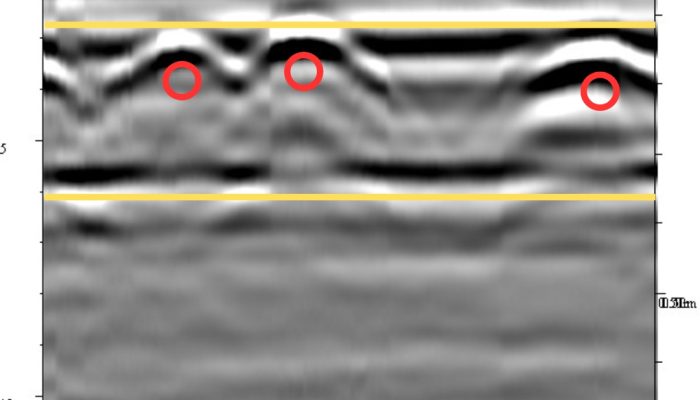
Concrete Scanning enhances Utility Locating by providing detailed imaging of subsurface conditions. Ground Penetrating Radar emits signals that reflect off embedded objects, creating a clear representation of what lies beneath the surface. This allows operators to identify depth, orientation, and location with high accuracy.
Utility Locating supported by Concrete Scanning is suitable for reinforced concrete, post-tension slabs, bridge decks, parking structures, and foundations. The technology adapts to various site conditions, making it a versatile solution for projects across Canada.
📞 Contact us today for your free estimate.
Utility Locating to Prevent Costly Delays and Damage
Unexpected utility strikes are among the most common causes of construction delays.
Utility Locating reduces this risk by ensuring all known and unknown utilities are
identified before work begins. Concrete Scanning provides the confidence needed to
proceed without hesitation.
Accurate Utility Locating protects not only the structure but also the workforce.
Avoiding contact with live electrical lines or pressurized pipes significantly improves
job site safety. In the long term, this proactive approach helps maintain a strong safety
record and reduces liability.
Utility Locating for Infrastructure and Civil Projects
Large-scale infrastructure projects require a high level of precision.
Utility Locating plays a crucial role in roadwork, bridges, tunnels, and public facilities.
Concrete Scanning supports these efforts by mapping utilities embedded in concrete and
underground layers without disruption.
In urban environments, where utilities are densely packed, Utility Locating becomes even
more critical. Concrete Scanning allows teams to work efficiently while minimizing the
impact on surrounding infrastructure and public services.
Concrete Scanning and Utility Locating for Compliance and Quality
Regulatory compliance is a major consideration in Canadian construction projects.
Utility Locating helps ensure adherence to safety regulations, building codes, and best
practices. Concrete Scanning provides documented evidence of subsurface conditions, which
can be used for planning, reporting, and quality assurance.
By integrating Utility Locating early in the project lifecycle, teams can avoid redesigns
and rework. Concrete Scanning contributes to higher construction quality by supporting
precise execution and long-term structural integrity.
Utility Locating as a Strategic Planning Tool
Beyond safety, Utility Locating serves as a strategic planning resource. Understanding
the exact location of utilities allows engineers and designers to optimize layouts,
reduce material waste, and improve efficiency. Concrete Scanning delivers reliable data
that supports smarter decisions from start to finish.
Utility Locating is not just a precaution; it is an investment in project success.
Concrete Scanning ensures that every cut, drill, and excavation is performed with
clarity and control.
Concrete Scanning Solutions for Modern Construction Needs
As construction methods evolve, so do the demands for accuracy and safety.
Utility Locating supported by Concrete Scanning meets these demands by offering fast,
reliable, and non-invasive solutions. Whether working on small renovations or large
infrastructure projects, this technology adapts to the complexity of each site.
Concrete Scanning strengthens Utility Locating by revealing hidden risks before they
become problems. This proactive approach aligns with modern construction standards and
the expectations of clients, contractors, and regulatory bodies across Canada.
The company is fully insured and carries Commercial General Liability (CGL) Policy coverage.
GeoXSite

- WHATSAPP
+1 (672) 762-4369 - Phone +1 (672) 762-4369
- E-MAIL contact@geoxsite.ca
- Address 3845 Winlake Crescent, V5A 2G6 Burnaby, BC