 GeoXSite
GPR Scanning in Lions Bay
🔍 GPR Scanning in Lions Bay: Precise Technology for Concrete Scanning and Subsurface Detection
In construction, renovation, or maintenance projects, working without knowing what lies beneath the surface can create serious risks, delays, and unnecessary costs. This is where GPR scanning becomes a key tool to ensure safety, accuracy, and efficiency.
The use of technologies such as concrete scanning and subsurface utility locating makes it possible to identify hidden structures without breaking or performing invasive interventions. This not only protects the integrity of the project but also optimizes every phase of construction.
🏗️ What is GPR Scanning and why is it so important?
The company is fully insured and carries Commercial General Liability (CGL) Policy coverage.
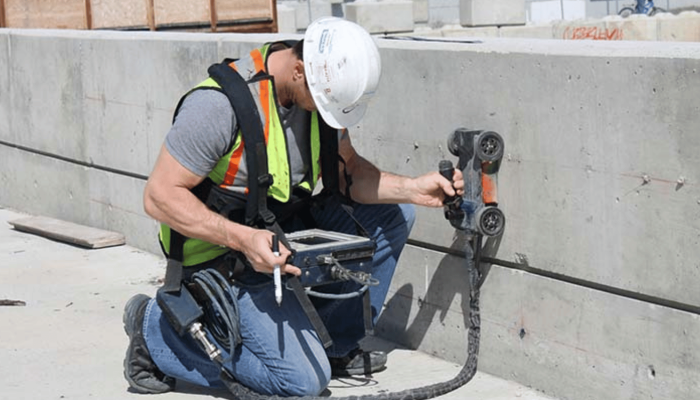
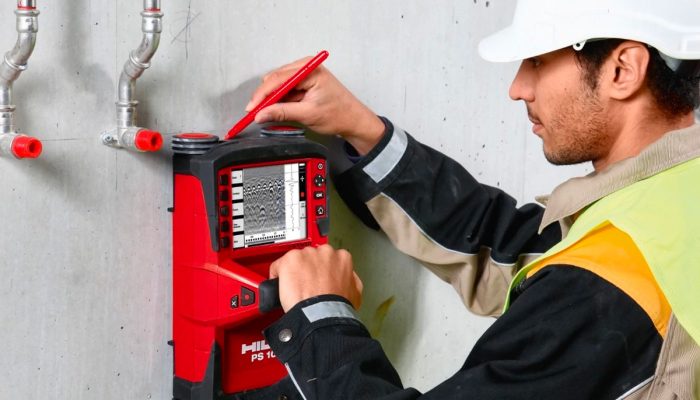
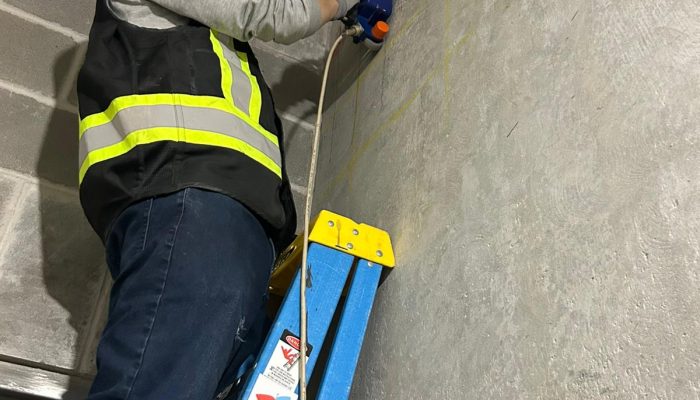
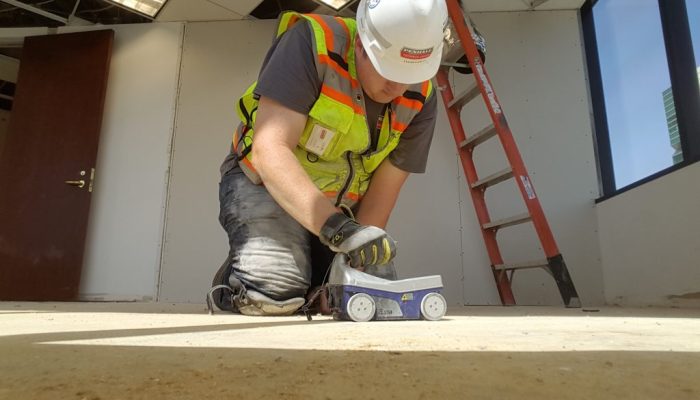
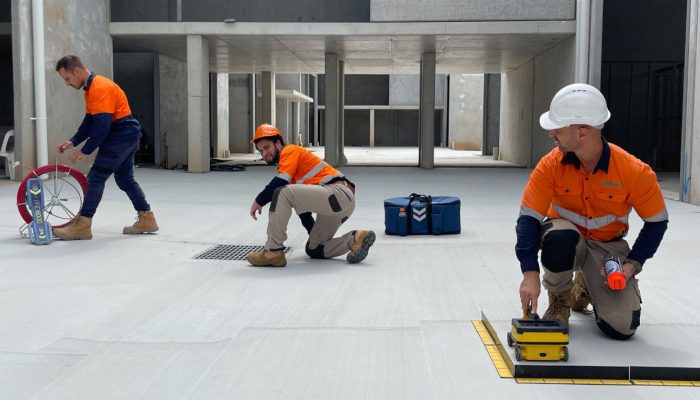
GPR scanning (Ground Penetrating Radar) is a reliable technology that uses electromagnetic waves to reveal what lies beneath the surface. It is commonly used in concrete scanning to evaluate internal structures before any drilling or cutting begins, helping ensure safe and accurate work.
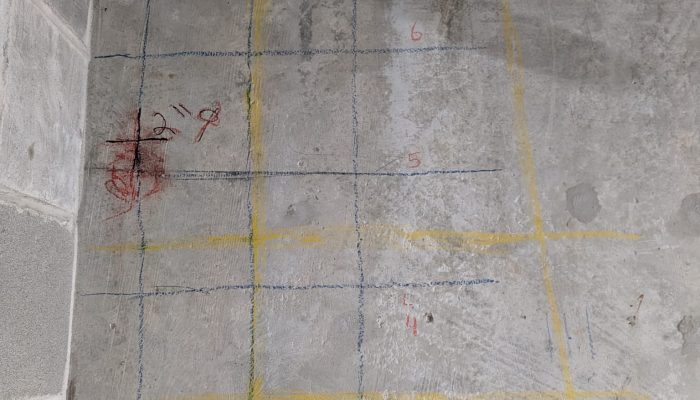
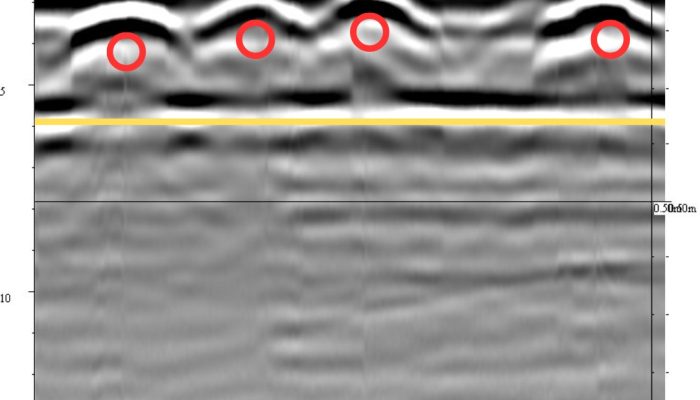
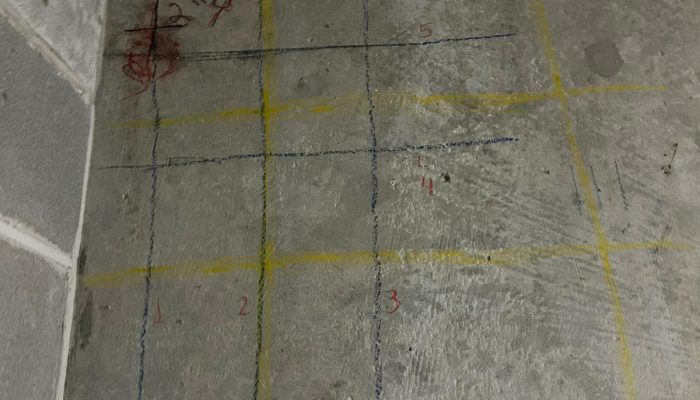
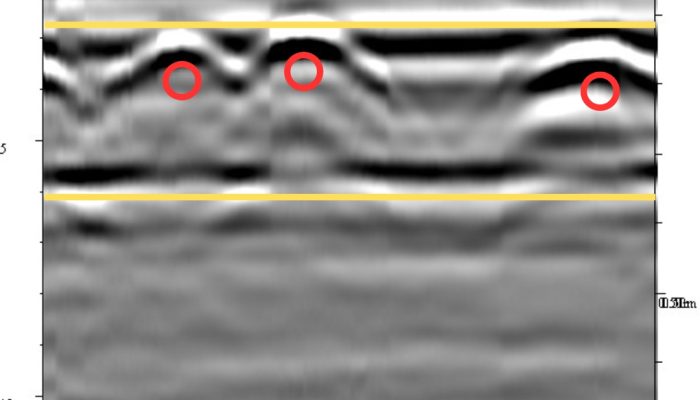
With this method, it is possible to clearly identify elements such as reinforcement bars (rebar), internal pipes, live electrical cables, hidden conduits, and even voids or structural anomalies.
By providing this level of insight, GPR scanning helps prevent costly mistakes, reduces risks on site, and protects both workers and the integrity of the structure.

GeoXSite
Concrete Scanning in Lions Bay: Avoid costly mistakes in concrete
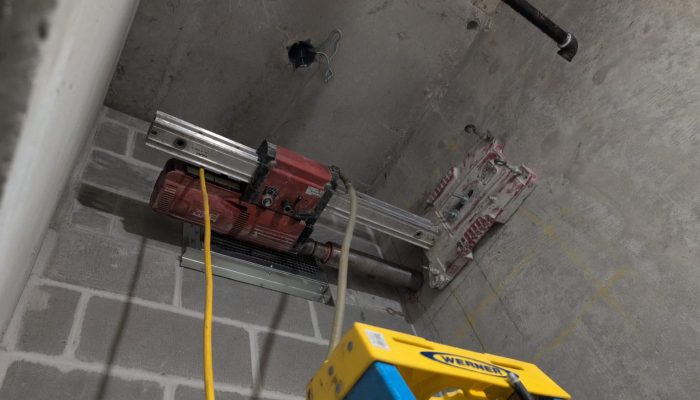
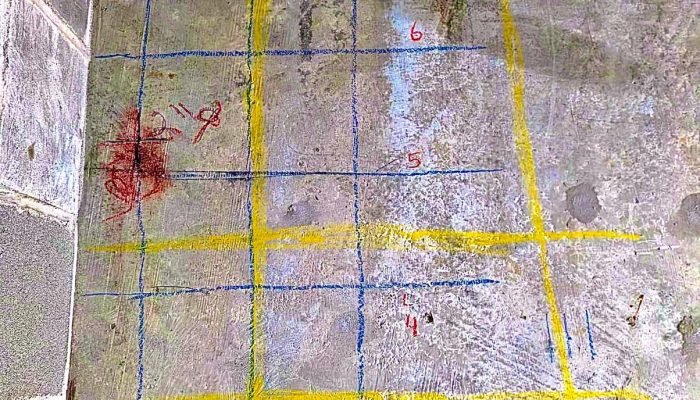
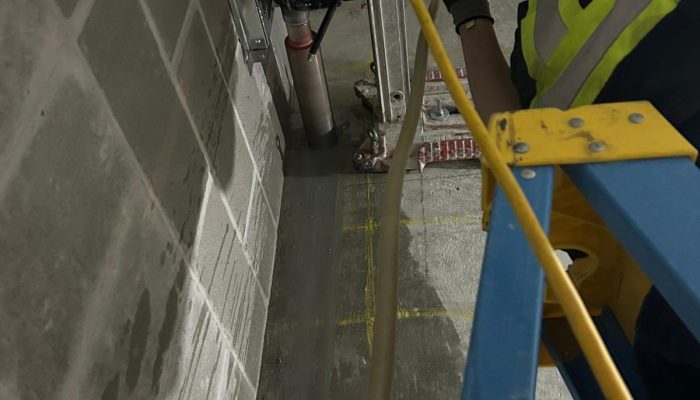
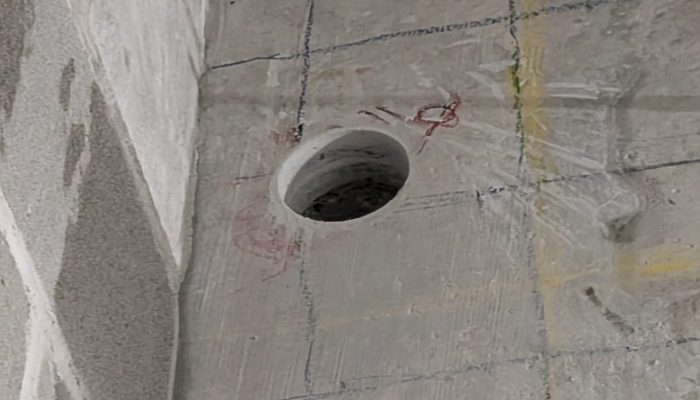
Concrete scanning is one of the most common uses of GPR and a crucial step before any drilling or cutting. It helps detect hidden elements within the structure, reducing risks, preventing damage to cables or pipes, and ensuring precise, safe work that meets safety standards.
Although often overlooked, skipping this process can lead to costly repairs and major project delays.
Scanning Concrete in Lions Bay: Precision without destruction
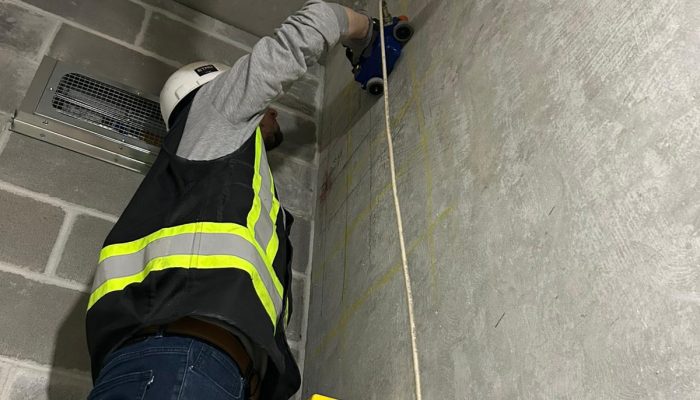
The scanning concrete process is carried out using specialized equipment that scans the surface and generates real-time data. This allows technicians to accurately interpret what lies beneath the concrete.
One of the main advantages is that it requires no prior drilling or destructive intervention. This means you can obtain critical information without compromising the existing structure.
Additionally, GPR scanning provides immediate results, which speeds up decision-making on site.
🚧 Subsurface Utility Locating: Locating underground services
Beyond concrete, subsurface utility locating is essential for identifying buried networks before excavation work. This process is critical in urban, industrial, and infrastructure projects.
Utility locating services allow the detection of:
Water supply networks
Sewer systems
Underground electrical wiring
Telecommunication lines
Gas pipelines
GeoXSite
⚙️ Advantages of GPR Scanning in construction projects
Implementing GPR scanning and concrete scanning in your projects offers clear and measurable benefits:
Greater safety for the work crew
Reduced costs from errors or damage
Optimized project execution time
Higher precision in drilling and cutting
Compliance with technical and regulatory standardsIn demanding markets like Canada, these services are not optional—they are a standard practice in any professional project.
🛠️ When do you need a Utility Locating service in Lions Bay ?
A utility locating service is essential in situations such as:
Before excavation or earthmoving work
Installation of new utility networks
Repairs on existing infrastructure
Urban construction projects
Work in areas with buried services
Ignoring this step can result in serious damage to essential utilities, leading to high costs and possible legal consequences.
🎯 GPR Scanning and Concrete Scanning: An investment in safety
Investing in GPR scanning and utility locating services is not an expense—it is a strategic decision. Prevention will always be more cost-effective than repair.
Companies that integrate these technologies into their processes not only reduce risks but also convey trust, professionalism, and compliance to their clients.
If you are looking for safe, precise results aligned with international standards, the use of GPR scanning, concrete scanning with GPR, and subsurface utility locating is the right path.
Ground Penetrating Radar (GPR) scanning is a non-destructive technology that uses electromagnetic waves to accurately detect embedded objects such as pipes, conduits, rebar, and hidden structures within concrete and below the surface.
Concrete scanning is essential for identifying internal elements like reinforcement bars, post-tension cables, voids, and utilities before drilling or cutting, significantly reducing risks and preventing structural damage.
Utility locating services detect and map underground infrastructure, including gas lines, water pipes, electrical systems, and communication networks, helping avoid costly damages and ensuring safe excavation.
Yes. GPR scanning is a safe, reliable, and widely used method in modern construction. It does not damage structures and greatly improves on-site safety, precision, and overall project efficiency.
The company is fully insured and carries Commercial General Liability (CGL) Policy coverage.